
A Dream Come True
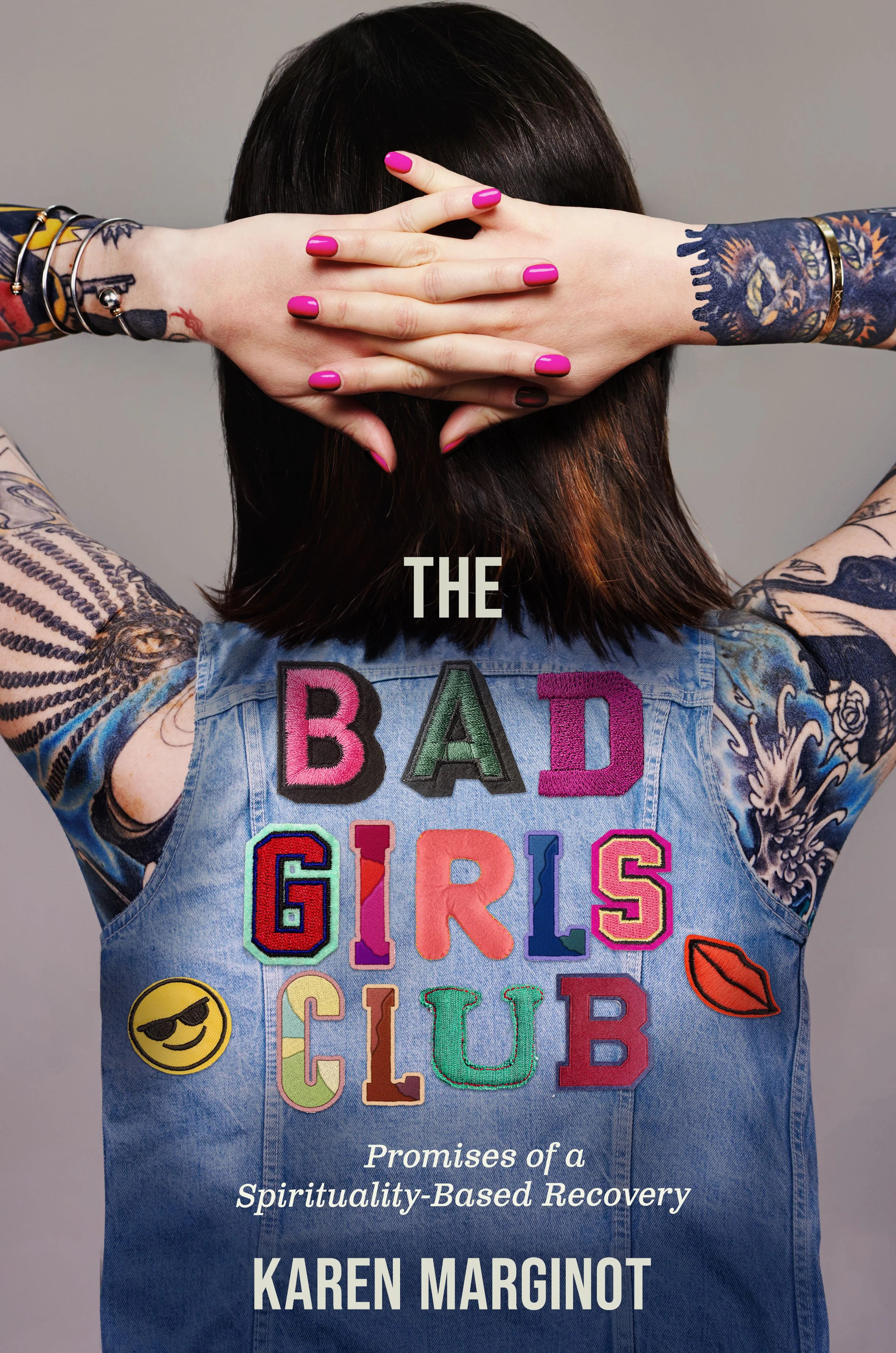
Last January, Koehler Books published my recovery memoir, The Bad Girls Club: Promises of a Spirituality-Based Recovery.
It was a huge personal milestone, a dream I’ve carried since I was young: to write a book, and to see it taken seriously by a publisher.
And yet, I hesitated to talk about it here. I worried it might be the wrong subject matter, that it could somehow affect my credibility or reputation.
What I’ve come to understand is this: my story isn’t just about addiction or recovery.
It’s about something the tech industry, in particular, struggles to face.
What we avoid.
What we numb.
What we normalize, just to keep moving, and moving fast.
In tech, we’ve mastered optimization. Faster growth. Smoother delivery. Sharper metrics.
But somewhere along the way, many of us lost our capacity for honest self-examination.
Recovery taught me something essential:
Transformation doesn’t begin when you optimize. It begins when you stop hiding from what’s true.
Not the polished LinkedIn version, but the complicated one. The one where you’re still becoming. The vulnerable one we really don’t want to expose to others (especially on a public forum, including our workplaces).
And (stay with me, I’m landing this plane), it’s Dry January, a month when millions pause to examine their relationship with alcohol.
So I want to offer a wider question.
What else are we using to soothe, avoid, or delay what we already know?
• Scroll patterns that numb
• Convenience that makes us complicit
• Comfort that depends on silence
• Optimization that distracts from what actually matters
We’re often taught that what we care about and what we can influence are the same thing.
They’re not.
That belief keeps systems extractive, and keeps us small.
As leaders, many of us are standing at a threshold. The old ways of coping, avoiding, and compartmentalizing are no longer working.
This isn’t about judgment.
It’s about capacity.
It’s about whether we’re willing to stay present long enough, with ourselves and with each other, to lead differently.
I’m marking the one-year anniversary of The Bad Girls Club with so much gratitude, for the recovery that made this work possible, and for the conversations it continues to open. And I want to invite a quiet reflection:
What truth have you been carrying, but are hesitant to name?